
 LinkedIn
 Facebook
 X (Twitter)
 Copy link
Texas construction industry moves fast. Whether you’re managing MEP scopes on high-stakes commercial buildings, a hospital retrofit, a multifamily complex in Austin, or even a small Scan-to-BIM renovation, your BIM provider can either keep your field teams ahead of schedule or drag them into delays, RFIs, and rework.
Choosing the right BIM service provider is a necessity. If done right, BIM services can reduce installation time, optimize construction workflows, and significantly cut project costs. According to a Dodge Data & Analytics report, well-implemented BIM can reduce project delivery time by up to 20% and cut costs by as much as 15%. On the other hand, done wrong, it can increase your project timelines and project budget, creating clashes across trades.
At Diasphere, we’ve seen this firsthand. Many of our clients come to us after a previous BIM team failed to deliver, their documentation was incomplete or inaccurate, deadlines were missed, or models were unusable in the field. We figured out that the most common issues include incorrect routing, missing hangers, and a lack of clearance for valve access. We’ve rescued dozens of projects, and from those experiences, we’ve learned what not to do when selecting the right BIM provider.
With hundreds of options out there, how do you make sure you’re choosing the right BIM consultant for your building project in Texas?
Let’s walk through the top mistakes to avoid – and the questions to ask.
Whether you’re outsourcing BIM services for the first time or reevaluating your current setup, this guide will help you make informed decisions with confidence.
1. Look Past the Buzzwords: Evaluate BIM Services, Not Just BIM Talk
The most common mistake? Assuming that any company that has “BIM” in its name and a huge list of BIM tools on its website is qualified. As a fact, many teams can perfectly model in Revit or even deliver fully coordinated clash-free BIM models, but it doesn’t mean it will translate into project outcomes, when actually the right BIM service provider should deliver quality on-site, not just on the screen:
- Route efficiently with constructability in mind.
- Keep in mind service clearances and access zones.
- Understand the logic behind MEP systems and specs.
- Aligning outputs with the project’s specific objectives and construction timelines.
A true BIM consultant doesn’t just model pretty geometry. They understand constructability, installation sequencing, field constraints, and service coordination. They should think like a foreman, speak the language of fabrication and installation, and deliver files that support your construction workflows, not create new headaches.
2. Texas Experience in Construction Projects: Why Local Insight Matters
Texas construction environment has its own regulatory compliance, climate-specific requirements, and build culture. So, choosing a BIM team with no experience in Texas can lead to serious misalignment.

The right BIM consultant should:
- Have a portfolio with past projects in Texas, to understand field conditions specific to Central and Southern Texas.
- Understand local permit workflows in different project types.
- Be able to visit the construction site.
If the provider is based in Texas or has a local presence, they can visit the job site when needed, so this is essential for proper BIM implementation. That kind of boots-on-the-ground access can be a game-changer when coordination questions arise.
Choosing a team with no experience in Texas can lead to serious misalignment.
You don’t want someone learning on your job. You want someone who’s already built here.
3. Don’t Be Fooled by LOD Labels: Use Real Examples to Choose the Right BIM Service Provider
We get it, everyone says they deliver LOD (Level of development) 350 or 400. But what does that really mean?
The definitions of LOD can vary widely across BIM service providers and can lead to serious miscommunication. Always request examples.
Ask to see actual outputs:
- Spools with bend tables and cut lists.
- Fully coordinated mechanical shop drawings.
- Actual clash detection reports from completed BIM projects.
- Coordination examples with structural and architectural trades.
If they can’t show examples similar to your projects, it’s a red flag. High LOD alone doesn’t guarantee buildability or alignment with your project requirements.
4. Project Coordination and Integration: How the Right BIM Tools Make the Difference
A strong BIM services provider doesn’t just deliver files. BIM partner should integrate into your project management workflow and entire project lifecycle.
Look for the BIM team who:
- Adopt your folder structures, naming conventions, and project management tools.
- Participate in weekly project coordination calls.
- Provide clash detection reports and RFI logs that are easy to follow.
- Use collaboration platforms like Procore, Navisworks, or BIM 360 for seamless data exchange.
It is not a secret that construction projects often run on fast-track schedules. Your BIM team can both rescue your project or lead to getting out of schedule and budget.
5. Communication Skills and Turnaround: Essential Traits of a Top BIM Partner
When your install crew is on-site, you can’t afford radio silence from your BIM Service provider.
Before committing, ask:
- Do they operate in your time zone, or adjust their hours to match?
- Is there a dedicated project manager you can contact directly?
- Can they meet predefined turnaround timelines for submittals, revisions, and updates?
The Right BIM consultant should have quick turnaround, clear communication, and accountability.
6. Technical Expertise and BIM Technology: More Than Just Modeling
Here’s a scenario we’ve seen far too often at Diasphere: A previous provider delivers a model that “follows the drawings” without questioning inconsistencies or ambiguous specs. The result? Rework, RFIs, and delays.
The right BIM partner will:
- Flag issues early by reviewing your drawings critically.
- Understand MEP logic, system specs, and sequencing.
- Work closely with your field team to prevent disconnects between the model and reality.
BIM implementation is more than a digital process – it’s technical problem-solving. You want a team that applies specialized skills to support your project’s success.
7. Ask for Results, Not Files: Why Metrics Matter When You Choose the Right BIM
Great BIM consultants track results. Before you sign a contract, ask about their solid track record and metrics from previous clients:
- What ROI did they reach on previous projects?
- How many design conflicts were resolved?
- What was the measured impact on project timelines and cost efficiency?
Client testimonials, case studies, and measurable outcomes matter. BIM technology is only as good as the results it drives.
8. Cost Considerations and Pricing Structures: Balancing Value and Transparency
Price matters – but not at the expense of service quality.
Evaluate:
- Whether pricing is hourly, milestone-based, or fixed fee.
- What’s included (clash detection, spool drawings, coordination, etc).
- Their process for scope changes or additional requests.
A low bid might feel good upfront, but could lead to cost estimates, overruns, and missed deadlines later. Transparent pricing and clear deliverables are essential to avoid surprises.
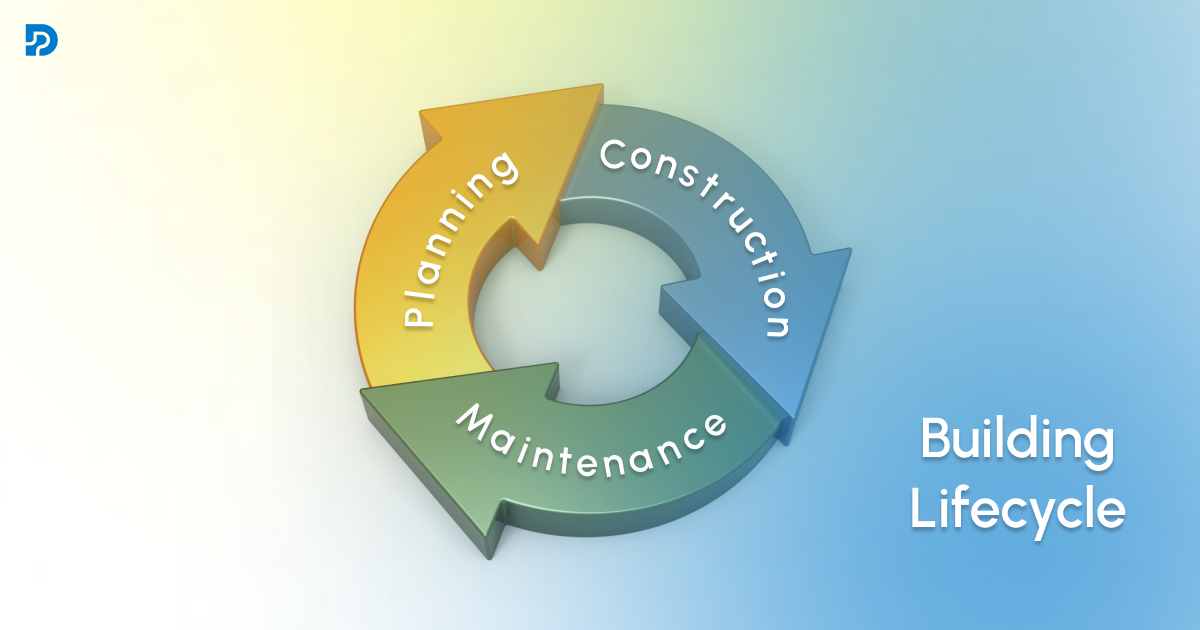
9. Long-Term Thinking: Facility Management, BIM Process, and the Full Building Lifecycle
BIM is not just for construction. Forward-thinking BIM service providers can support your facility management goals by delivering:
- Accurate as-builts.
- COBie data for digital asset tracking.
- Model integration for operations and maintenance platforms.
Think beyond project completion. A quality BIM model supports better planning, operational efficiency, and lifecycle management.
Final Word: Choose a BIM Partner, Not Just a Vendor
Your BIM consultant should be more than a modeling service. They should be a project partner who:
- Understands your field realities and constructability goals
- Supports enhanced collaboration across trades
- Provides informed decisions throughout the project lifecycle
- Works toward your project’s objectives with shared accountability
When BIM services are aligned with your construction workflows, the benefits are massive: fewer RFIs, tighter schedules, cleaner installs, and improved client satisfaction.
And remember: if your BIM provider asks a few questions during kickoff, that’s usually a red flag. The best teams challenge assumptions, clarify scope early, and keep project goals in focus.
7 Smart Questions to Ask Before Hiring a BIM Service Provider
- Can you show past projects similar to mine in scope and complexity?
- Do you have a proven track record in the Texas construction industry?
- How do you approach clash detection and design conflicts?
- What BIM tools and collaboration platforms do you use for project coordination and communication?
- Who will be my main point of contact, and what’s their average response time?
- How do you ensure quality assurance and regulatory compliance?
- What ROI and project outcomes have you delivered to previous clients?
Ready to Work With a BIM Team That Knows Texas?
At Diasphere, we bring the technical expertise, local knowledge, and project management skills to deliver BIM solutions that fit the real-world needs of Texas contractors.
Let’s talk about your project needs and how we can help you achieve better builds, with fewer surprises and more success.
 This article contains a video