

 LinkedIn
 Facebook
 X (Twitter)
 Copy link
The construction sector is not an exception to how artificial intelligence is changing industries worldwide. A McKinsey report showed that around 75% of large construction projects exceed the allocated budget, and by using AI-driven digital solutions, the increased costs can be reduced by 10%-15%. We are witnessing automated scheduling systems, AI-powered design tools, and more. Traditional roles are being completely re-shaped by the incorporation of AI into Building Information Modelling (BIM) and Virtual Design Construction (VDC) workflows.
People are becoming more productive and less prone to mistakes, and the entire construction process is being optimized by AI solutions like ChatGPT, Autodesk Spacemaker, and OpenSpace. AI in construction was estimated to be worth 1.8 billion dollars in 2023 and is projected to grow at a remarkable CAGR of 31.0%, reaching 12.1 billion by 2030. For comparison, AI in the construction market had a monetary value of 400 million dollars in 2019. This goes to show how fast it is moving forward.
Soft Skills At The Forefront
Humans can now perform complex, emotion-based tasks that call for emotional intelligence, problem-solving skills, and flexibility as a result of AI being used for repetitive tasks. AI’s use in BIM/VDC workflows facilitates automated scheduling, conflict identification, and report production, but it falls short of demonstrating team leadership, negotiation abilities, and human and environmental awareness decision-making.
AI can only replicate us so far, and that’s where humans come in. In fact, in a 2024 LinkedIn workplace learning report, 91% of L&D pros agree that soft skills are becoming increasingly important as a result of such realities.
Soft skills like teamwork, communication skills, and critical thinking are becoming more important to businesses that enjoy technical know-how. The ability to interpret AI-generated insights, make strategic decisions, and effectively communicate those findings to stakeholders makes engineers and BIM/VDC specialists more valuable. Your projects and innovations will be successful if you can manage relationships, promote teamwork, and critically think about the generated outputs of AI in construction.
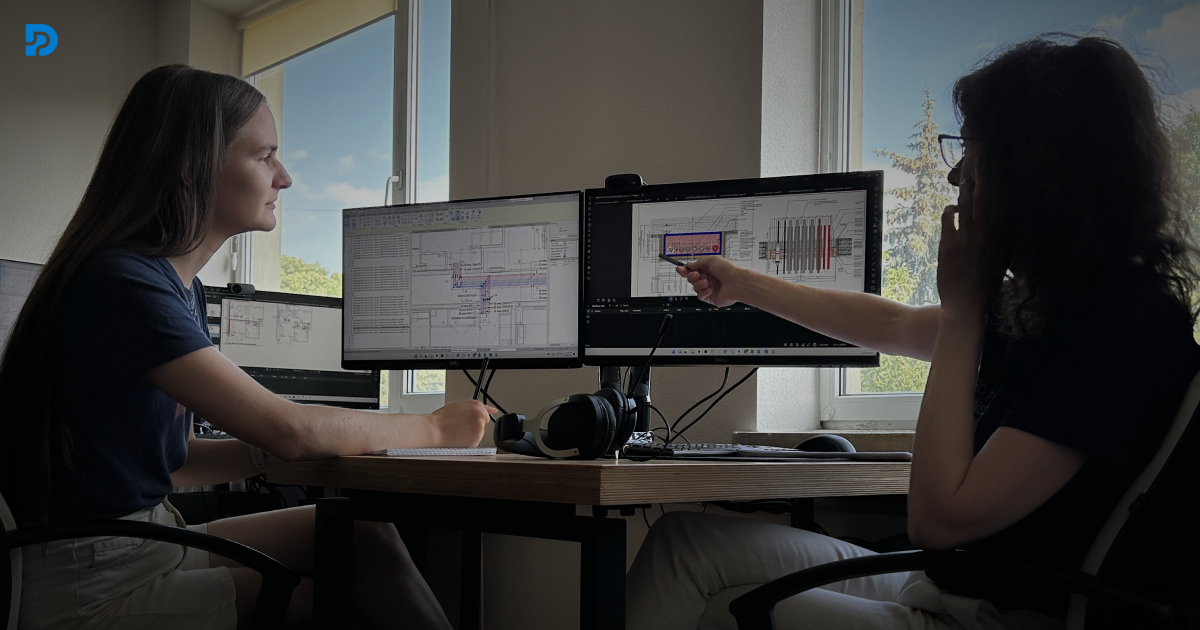
How AI Is Making the Construction Industry More Efficient
Many people believe that AI in construction will replace human workers. In reality, AI works as an enabling system that helps workers become more efficient in their work rather than requiring more effort. BIM/VDC project efficiency grows through AI application, although human professionals remain essential to every process. According to an Autodesk Future of Construction Survey conducted in 2022, companies that are adding AI solutions at the planning level end up reducing downtime and “paper” routine by almost 18%. Below are some key roles where AI and humans complement each other:
Clash Detection And Conflict Resolution
The analysis of design models performed by AI-powered BIM tools leads to the automatic identification of clashes. Navisworks Clash Detective or Solibri Model Checker can automatically detect thousands of collisions across complex MEP systems, saving engineers hours of manual analysis. Project goals require human supervision of AI recommendations before making final decisions.
Automated Scheduling
AI-driven tools can help optimize project schedules by analyzing vast amounts of data to identify the most efficient construction sequences. However, project managers still need to assess the feasibility of AI in construction, adjust the schedule for real-world challenges, and ensure smooth coordination between teams.
Generative Designs
AI-based generative design platforms like Autodesk Spacemaker create multiple design iterations based on already defined parameters. These solutions expedite decision-making, which requires careful review from both architects and engineers to integrate client needs while fulfilling regulatory standards.
AI-driven Reality Capture
Open space is an AI-powered reality capture solution that uses computer vision to track construction progress and flags potential delays and inconsistencies. AI technologies employ monitoring tools to generate transparency within construction activities, but human evaluators need to confirm both accuracy and important relevance of the resulting insights.
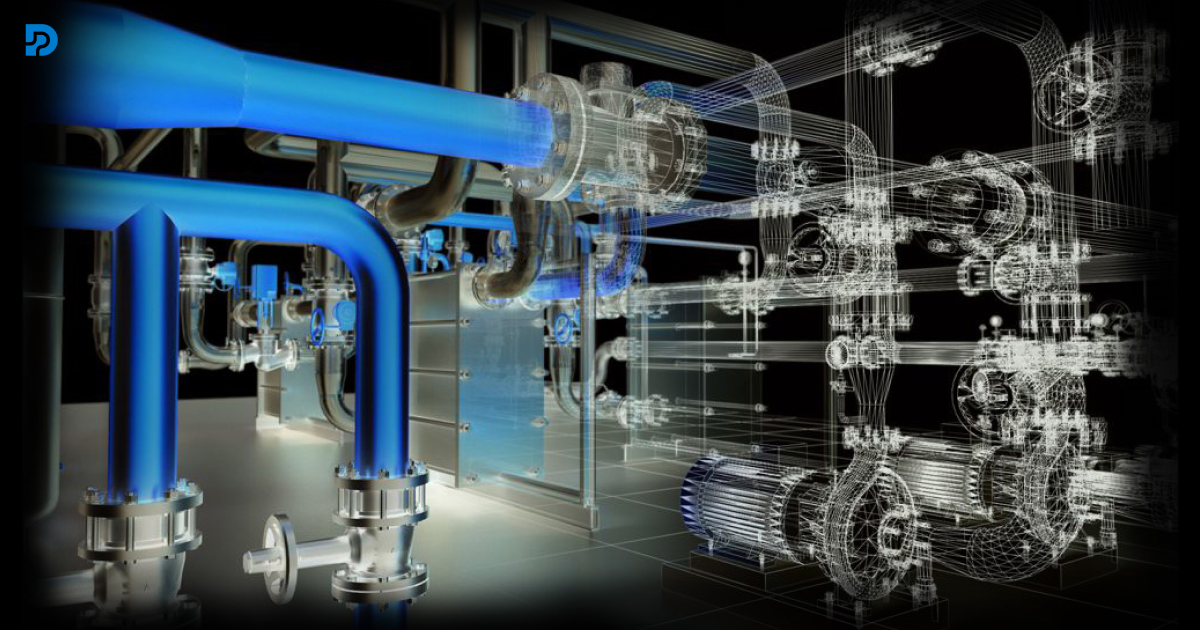
Powering The BIM/VDC Ecosystem With AI
AI in construction is not an independent solution. It works better within an ecosystem of specialized software and human expertise. Important AI-driven tools in the BIM/VDC space include:
- Autodesk Spacemaker: A generative design tool that creates optimal architecture designs you can use to base your creations on. Finnish developer T2H used Spacemaker for their site acquisitions, and this resulted in the company assessing sites more accurately, efficientl,y and faster, which resulted in a 50% reduction of time spent on feasibility studies.
- ALICE technologies: Enhances construction scheduling through adaptive planning methods using this AI tool for faster timelines.
- OpenSpace: Conduct reality capture as a method to monitor project development, as well as enhance documentation using this AI tool to get near-perfect projects. Novo Construction takes a complete record of its jobsite 95% faster compared to manual processes.
- BIM 360: Improve collaboration through a combination of AI-driven analytics for real-time project insights for better overall workings.
BIM/VDC specialists need more than a mastery of these tools. They also need to handle AI-generative insights while maintaining data accuracy. They will need to conduct critical assessments of AI outputs, then validate the results before implementing the decisions that match project objectives.
Balancing AI With Human Skill
The rapid adoption of artificial intelligence in construction for BIM/VDC underscores the need for a balanced approach that integrates technical proficiency with human-centric skills. The most successful companies will be those that:
- Embrace AI as a Collaborative Tool: Teams should use AI to improve productivity and optimize workflows rather than seeing it as a threat. According to Autodesk and RICS, the global construction industry will go through a skills shortage of around 7-8 million people by the time 2030 comes around. This means that hybrid specialists who understand AI as well as management will be much more in demand.
- Invest in Constant Learning: Upskilling in both technical and soft skills is crucial as AI develops. In addition to honing their leadership, communication, and critical thinking skills. BIM/VDC professionals should keep up with the latest developments in AI through training programs.
- Encourage Cross-disciplinary Collaboration: BIM engineers, architects, and project managers are among the many parties involved in construction projects. AI-generated insights are translated into success in the real world through strong teamwork and flexibility.
- Foster Ethical AI Use: To preserve trust and project integrity, ethical issues like data bias, security, and transparency must be given top priority as AI becomes more integrated into construction workflows.
- Make Better Decisions Using AI insights: Professionals should become professionals in incorporating AI-generated insights into decision-making procedures while taking stakeholder priorities, risk management, and contextual factors into consideration.

Conclusion
By automating repetitive tasks, increasing productivity, and improving decision-making, AI is transforming BIM/VDC roles. The human element is still indispensable, though. Professionals who are proficient in AI and possess strong soft skills like communication, flexibility, and critical thinking will be in the best position to prosper.
In the rapidly changing construction industry, to ensure creativity, effectiveness, and project success, one must acknowledge that BIM/VDC’s future rests in the smooth fusion of AI-powered technology with human knowledge. The industry will be led into a smarter, more efficient future by those who embrace AI in construction while developing critical soft skills as its adoption picks up speed. Get in touch with us today and learn how we can help!
 This article contains a video